
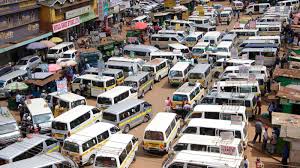
Kenya is known for its diverse and unique matatu culture. Matatus are public service vehicle which transport passengers from one place to another and they are mostly found in urban areas such as cities and towns. There are others which operates on long distances between two cities to another or two towns.
Despite the hate that Kenyans have for matatus due to their rowdy and noisy touts and drivers, other matatus do not have comfortable conditions which make them so unfriendly and unbearable to many. However, matatu business is still one of the most profitable business idea to venture in. One needs just to clear the necessary requirements to avoid being st loggerheads with the authorities.
How much matatus make per day?
There are a lot of risks involved in this business and the owners are the real recipients of these risks. But matatus still make profits of between ksh. 7000 to ksh. 12000 per day depending on the capacity of the matatu and after fuelling for the next day and paying the crew. In a month, this comes to roughly between ksh. 250,000 to ksh. 360,000.
How to start matatu business
To get into this business, a lot of capital is required. It will cost one at least ksh. 3.5 million to invest in matatu and clear other issues such as paying for the operation license, registration in Sacco and many minor requirements.
When buying the vehicle for matatu business, it is worth to note that there are different categories of matatu classes up to six categories.
- Class I – 14 seat vehicle
- Class II – minibuses with capacity of 15 to 25 seats
- Class III – larger minibuses with 25 to 40 seats
- Class IV – Buses with capacity of 40 seats
- Class V – Urban buses with 40 seats capacity
- Class VI – Later buses that have over 40 seats.
There have been calls to ban from the roads the 14 seats matatus and so venturing in them might be a bad idea as no one knows when they can be ordered out of the road. The higher your capacity is the the higher the price of the vehicle but one is likely to earn more.
NTSA requirements before operating matatu business
Failing to comply with the requirements of the National Transport and Safety Authority will lead to being fined which will eat into the profits the business makes or can even lead to total ban. Here are the requirements by NTSA;
- Valid inspection certificate
- Valid insurance cover
- Valid road service license
- Up to date speed governor
- Safety belts
- Permission to play music from the MCSK
Matatu Sacco Registration
After choosing the preferred route to operate, the matatu owner must choose a matatu Sacco to join as this is a mandatory requirement for all matatus. Most saccos cost between ksh. 20,000 to ksh. 50,000 which is based on the vehicle capacity and chosen route.